
ERASMUS TRAIN THE TRAINER - Youth Worker Mobilities
INSTITUTE OF EXPERIENTIAL EDUCATION
WELCOME TO YOUR NEXT ERASMUS ADVENTURE!
Welcome – we’re glad you’re here
Our institute trains people in the fields of outdoor and experiential education within an international context funded by the EU.
This website will introduce you to our work and give you an insight into what we stand for.
Here, you’ll find everything about the why, how, and what of our programmes.
Feel free to explore, discover our approach, and dive into specific courses to learn more — and to see which seminar might be the right fit for you.
Enjoy exploring!
Our work
Who we are
We are the Institut für Erlebnispädagogik (Institute for Experiential Education), part of the Campus 3L University. For more than 14 years, we have been dedicated to the field of experiential education. During this time, we have developed numerous training and professional development programmes, while also working as a service provider in the field of youth and young adult education.
Our approach combines academic learning with practical application. This means we not only design and teach methods of experiential education, but also bring them directly into practice through programmes and projects with young people. By connecting theory and practice, we ensure that experiential education remains both relevant and impactful.
In 2023, we were accredited by the National Agency Jugend für Europa and have since been offering Erasmus+ programmes. This step allows us to connect our expertise in experiential education with the broader European context, making it possible for participants to exchange, learn, and grow across borders.
Why we love this work
We see a growing need for social learning in today’s world. The COVID-19 pandemic showed us clearly what can happen when people lack opportunities to practice and develop interpersonal skills. Education cannot be reduced to knowledge alone—it also needs to prepare young people for the challenges of living and working together in a diverse and complex society.
That is why we view our work as a meaningful complement to formal education. Through experiential education, we train young people to interact with one another in ways that are fair, open, and respectful. Our goal is to support them in becoming competent, confident adults who are able to stand strong in an ever-changing world, build resilience, and contribute positively to their communities and society as a whole.
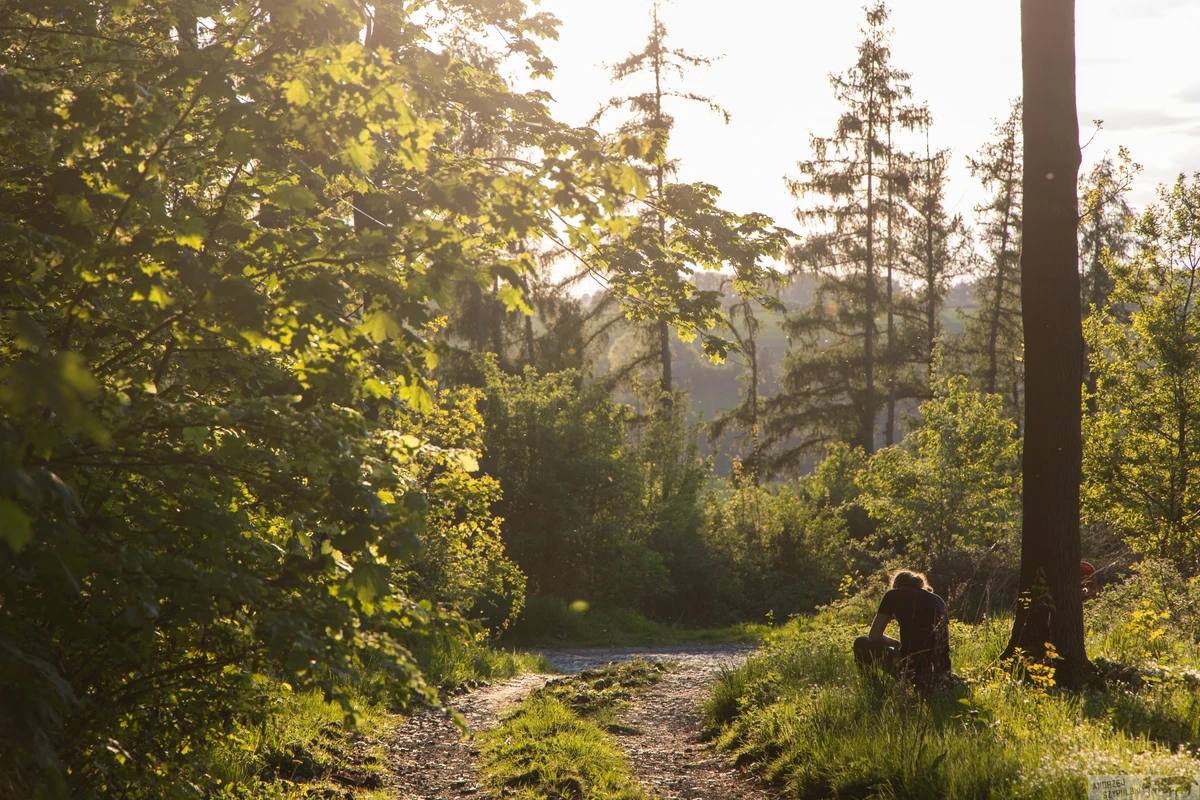
We believe that nature and experiential learning create a unique environment for this development. Being outdoors, facing real challenges, and reflecting on experiences helps individuals to grow in ways that classrooms alone cannot provide. It is this connection between practice and reflection, between nature and learning, that inspires us and fuels our passion for what we do every day.
How we work
Our institute works at the intersection of academic expertise and practical application. As part of CVJM University, we combine 14 years of experience in developing trainings and further education with hands-on programmes for young people. We design seminars and Erasmus+ projects that are rooted in experiential education, where learning is always linked to practice.
Collaboration is at the heart of our approach. We partner with schools, youth organizations, and international networks to create opportunities for growth that go beyond the classroom. By blending theory, practice, and European exchange, we provide spaces where young people and professionals alike can strengthen their skills, broaden their perspectives, and contribute to a resilient and connected society.
At the core of everything we do is our experiential approach. We believe that people learn best by doing—by engaging directly in challenges, reflecting on their experiences, and applying insights in new situations. Our programmes are therefore designed to be hands-on, active, and practical. Whether in nature or in structured group settings, participants are encouraged to step out of their comfort zones, experiment with new ways of thinking and acting, and transform experiences into lasting learning.
What do we offer?
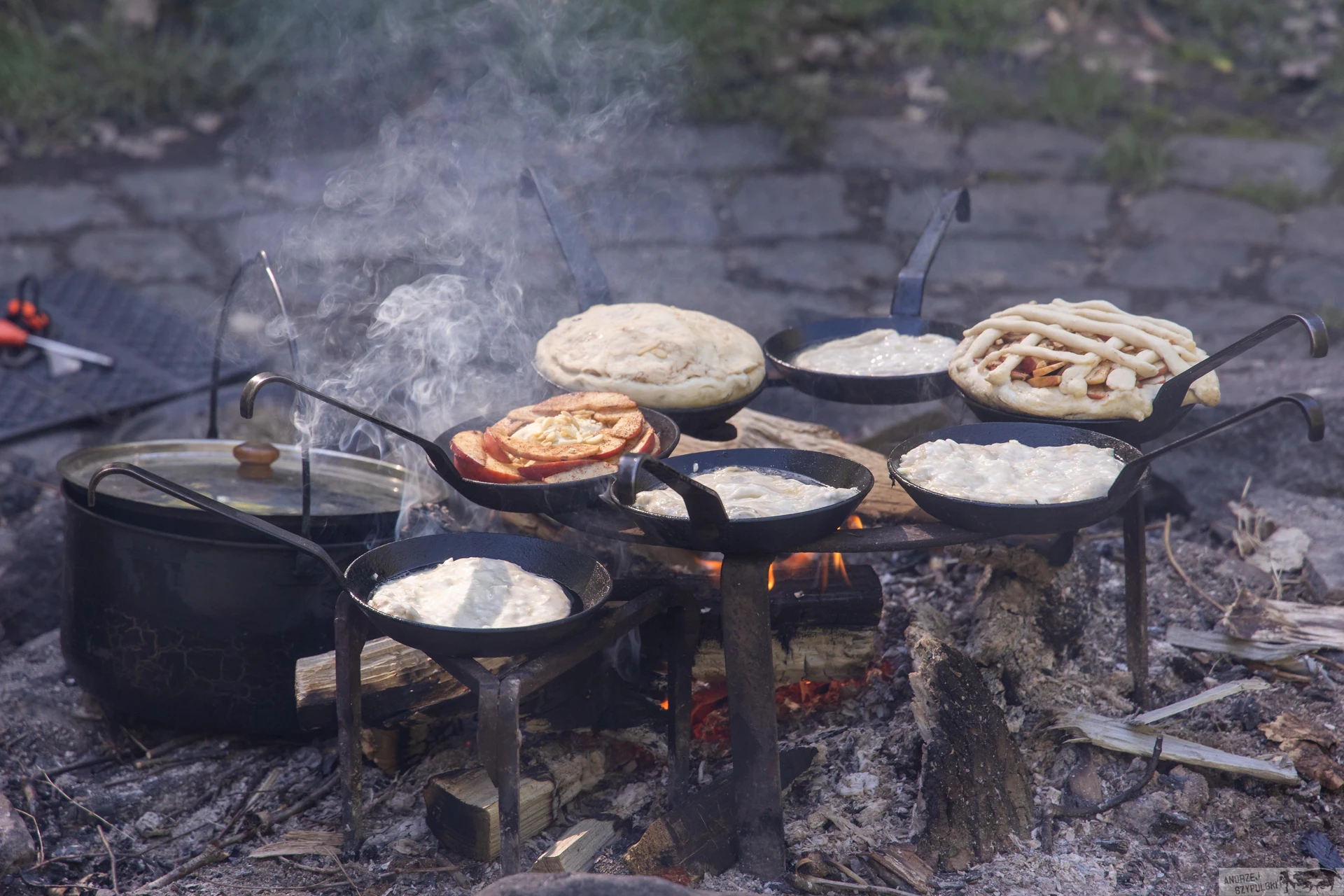
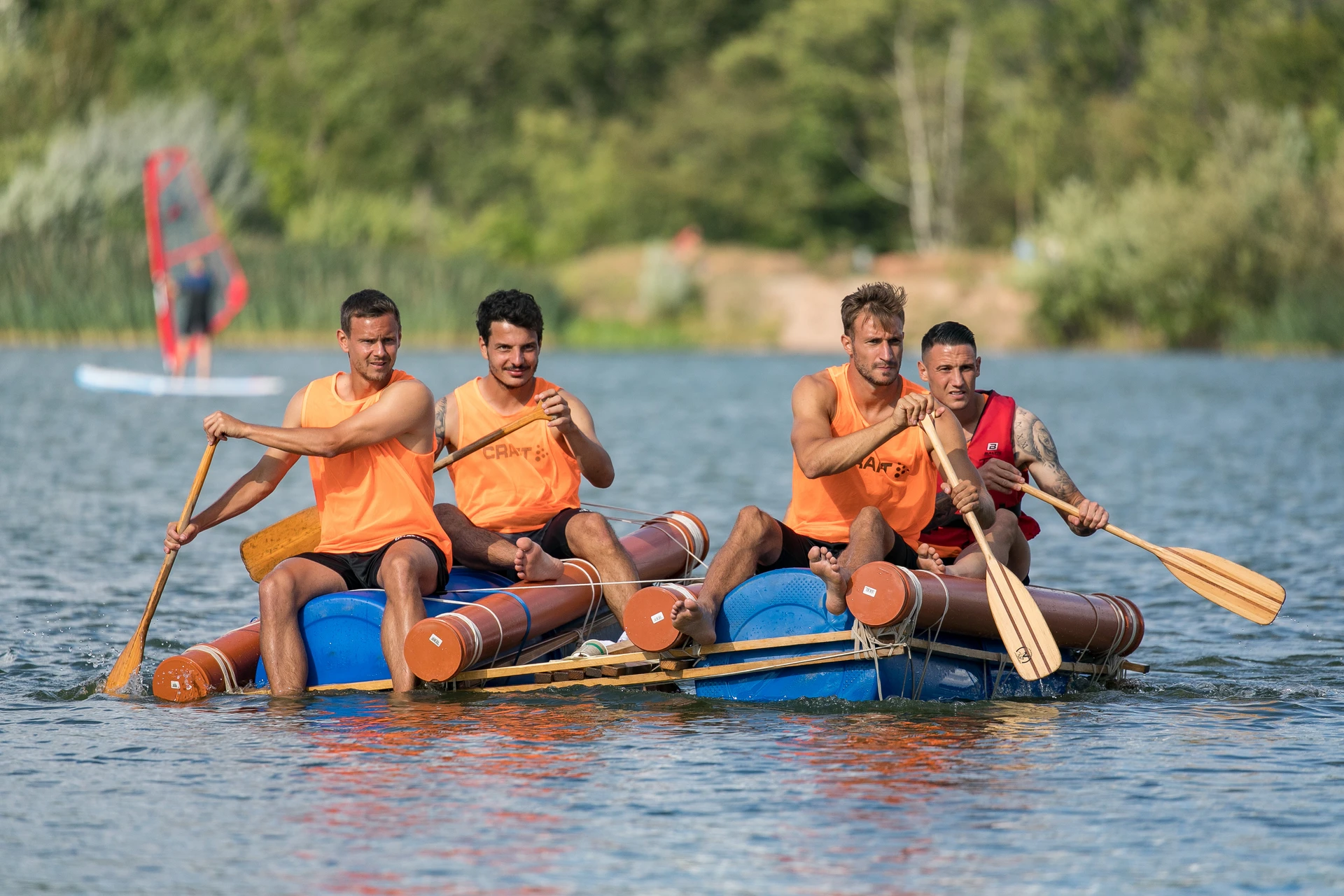
Our trainings are hands-on and immersive, combining experiential learning with practical application. Participants engage in rope techniques, survival skills, outdoor living, cooking over the fire, cooperative tasks, and activities on and in water. All exercises are designed to link directly to real-life situations, allowing participants to practice problem-solving, decision-making, and teamwork in meaningful contexts.
We also integrate learning theory, cultural education, and ecological awareness, helping participants understand the principles behind what they do while fostering a connection to nature and sustainable practices. Living and working with minimal resources strengthens resilience, adaptability, and agility—skills essential for navigating an increasingly complex and shifting society.
Through these experiences, participants develop social, emotional, and practical competencies, while also cultivating a European mindset, openness to diversity, and the ability to collaborate across cultures. Every programme is built to empower individuals to grow, reflect, and apply their learning in both personal and professional life.
Yeah, but why internationally though?
Experiential education gains a new dimension when practiced internationally. Working across borders allows participants to engage with different cultures, perspectives, and approaches to learning. It fosters openness, tolerance, and collaboration, while helping young people and professionals develop a European mindset.
International programmes also encourage exchange of best practices, innovative ideas, and new methods that would be difficult to access locally. By navigating diverse social and cultural contexts, participants strengthen adaptability, resilience, and problem-solving skills. In a world that is increasingly interconnected, these international experiences are essential for preparing individuals to live, work, and contribute positively in a global society.
Ever since we started working internationally, we ourselves have learned immensely. People from different cultures bring unique perspectives, ideas, and approaches, enriching our work and broadening our understanding. True to the principles of experiential education, we see everyone as both a learner and a teacher. This mutual exchange allows us to continuously refine, adapt, and reinvent our practices, ensuring that our methods remain dynamic, relevant, and effective across diverse contexts.
Who is funding the programmes?
This training is funded by the European Union under the Erasmus+ framework as part of the KA151-YOU mobilities for youth workers. As an accredited provider since 2023, we are officially authorized to offer courses in collaboration with our international partner organizations across Europe. Our partner in Gemany is the National Agency „Jugend für Europa“.
Participants benefit from the high-quality standards of the Erasmus+ program and can enjoy significantly reduced participation fees, as the EU funding covers most of the training and travel costs.
In line with the European objectives, our work contributes to a stronger and more connected network of European partners, all dedicated to advancing the field of outdoor and experiential education across borders.
What are our goals with Erasmus?
Our project aimed to strengthen European professionals in youth work and outdoor education by providing hands-on international training. Four key goals guided our work:
- Next to our work with youth workers, facilitators, trainers: Inclusion of formal educators: We sought to engage both practicing teachers and pedagogical professionals from schools, enabling them to apply experiential learning methods directly with their own target groups in a formal context, as those are the most stabil education frames that kids and youth are confronted with. We strive to implement the method of experiential learning in this context as we think it’s essential not just to learn outside school but to define the very principle of learning in school.
- Ecological awareness: Activities were designed to immerse participants in nature, fostering an understanding of environmental responsibility and sustainable practices.
- Broadening our network: By bringing together participants from multiple countries, we encouraged international collaboration and exchange, creating a lasting network of professionals who share experiences and best practices.
- Building resilience for a rapidly changing world: Through challenging outdoor activities, reflection, and group processes, participants developed personal and professional resilience, preparing them to respond flexibly to the complex challenges facing young people today.
These goals were interconnected, ensuring that participants not only gained skills and knowledge but also contributed to the wider European educational community and strengthened their capacity to create meaningful learning experiences across borders.
Who are our partners?
We collaborate with a diverse network of partners in the field of outdoor and experiential education. Our partner organisations are based in Slovenia, Italy, Bulgaria, Romania, Sweden, the Netherlands, and Poland – and we are always eager to broaden this network even further. Together, we design and implement programmes across Europe, ensuring that each activity benefits from shared expertise, diverse cultural perspectives, and rich professional experience.
For us, it is essential that every programme is a true co-creation with our partner organisations. This approach allows us to combine the best of knowledge, skills, and cultural insights, creating innovative and meaningful learning experiences. So partner organisations next to sending participants are asked to contribute to the planning and facilitation of the training, as we believe this enriches the programme on an international level.
If you’d like to learn more about our partner organisations, take a look at the section on our past programmes.
Who do we train?
Our training programmes are aimed at a diverse group of professionals and volunteers who are active in the fields of youth work, education, and outdoor/experiential learning. This includes formal teachers, social workers, youth leaders, and trainers, as well as people engaged in non-formal education settings such as NGOs, community projects, and outdoor schools.
What unites our participants is their dedication to working directly with young people and their motivation to develop new skills and methods that help them face today’s social and educational challenges. Many of them are looking for ways to strengthen resilience, foster cooperation, and integrate ecological awareness into their practice. Others are eager to broaden their international perspective, exchange experiences across cultures, and bring fresh inspiration back to their organisations.
By combining people from different professional backgrounds and national contexts, our programmes create a rich learning environment, where everyone is both a learner and a teacher.
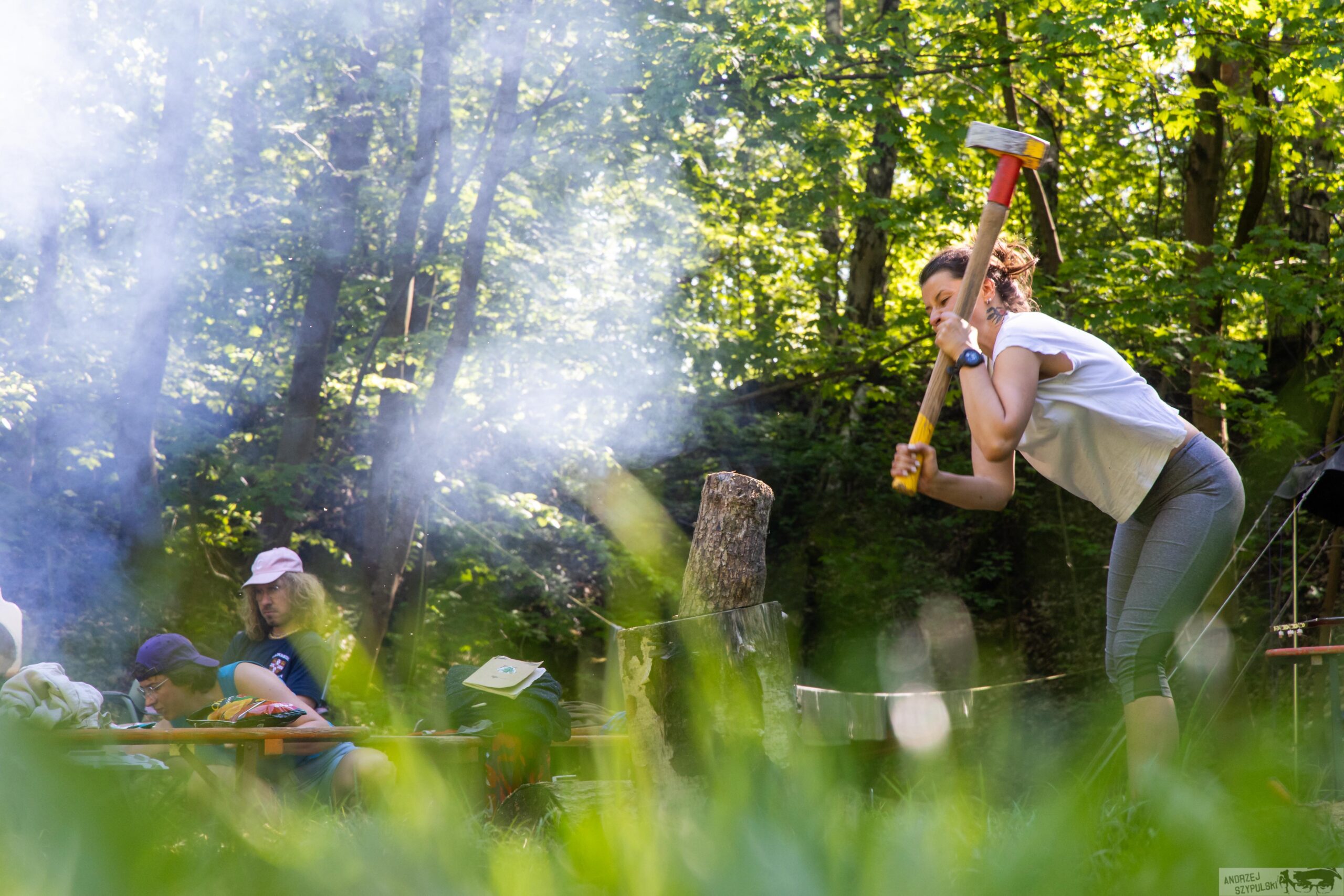
Current programmes
This is an overview of our Erasmus programmes in 2026
Erasmus Seminar: Hiking in Spain (04. - 11.11.2026)
You can find all the information on the “Hiking in Spain” page
Erasmus Seminar: Certified International Program in Outdoor- and Experiential Education (2027)
This program is certified by the Federal Association for Individual and Experiential Education (BE) in Germany and leads to a certification as an “outdoor and experiential educator.”
This program will take place in Romania and Germany.
Stay tuned: More information will provided within the next days.
Erasmus Seminar: Train the Trainer - Part 1 in Sweden (29.05. - 05.06.2027))
Stay tuned! More information will provided within the next days.
Erasmus Seminar: Train the Trainer - Part 2 in Germany (04.09. - 11.09.2027)
Stay tuned: More information will provided within the next days.
Your contact partner
Hi, I’m Sam
I’m the Erasmus Coordinator at the Institute of Outdoor Education.
I’m 33, passionate about the outdoors, and love exploring new cultures and perspectives beyond the one I grew up in. I also work as an outdoor education trainer, so you might meet me during one of our courses.
In addition, I take care of the back-office organisation for all our training programmes.
So whenever you have questions about structural or organisational matters, feel free to reach out:
I’ll do my best to get back to you as quickly as possible.
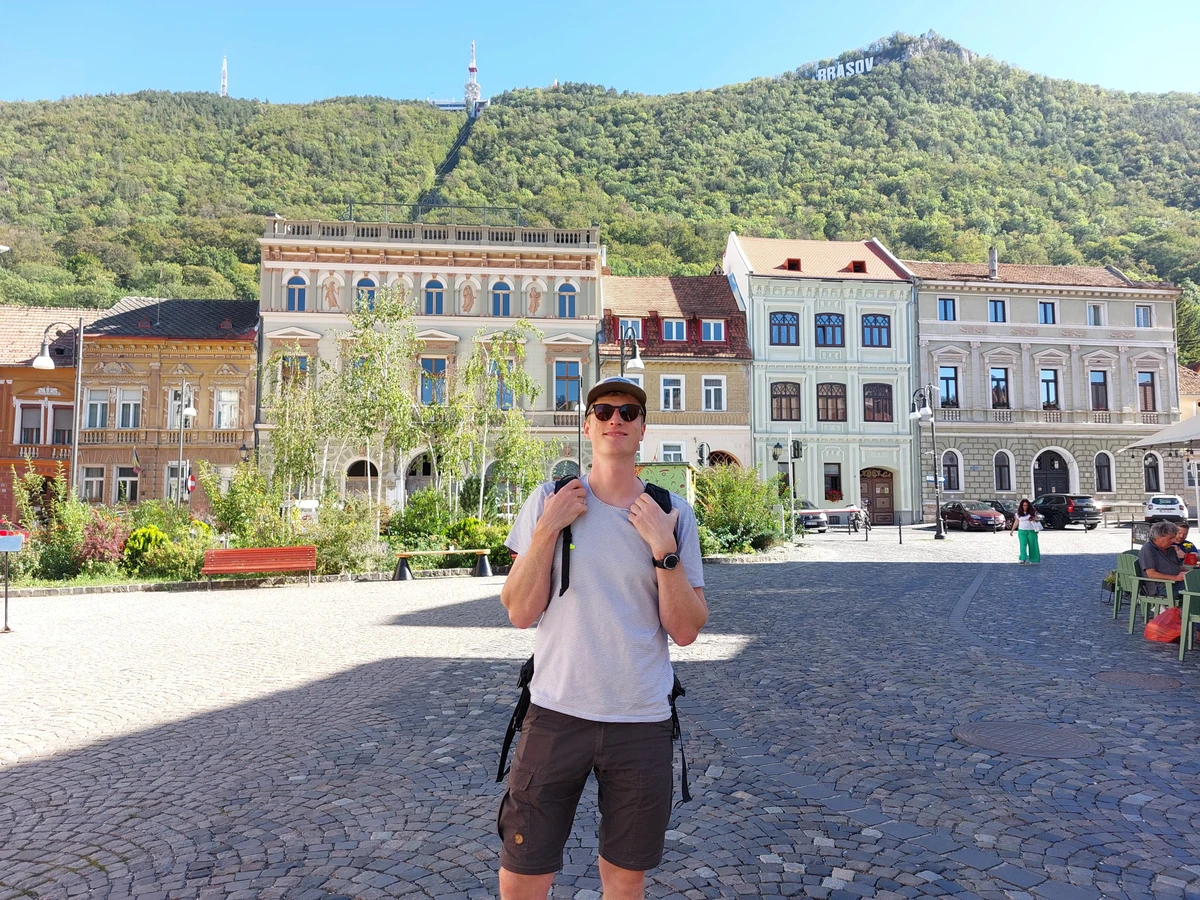
Programmes from previous projects
Here we show you which courses we already offered in 2024 and 2025. Feel free to get inspired by insights into past programs in various EU countries.
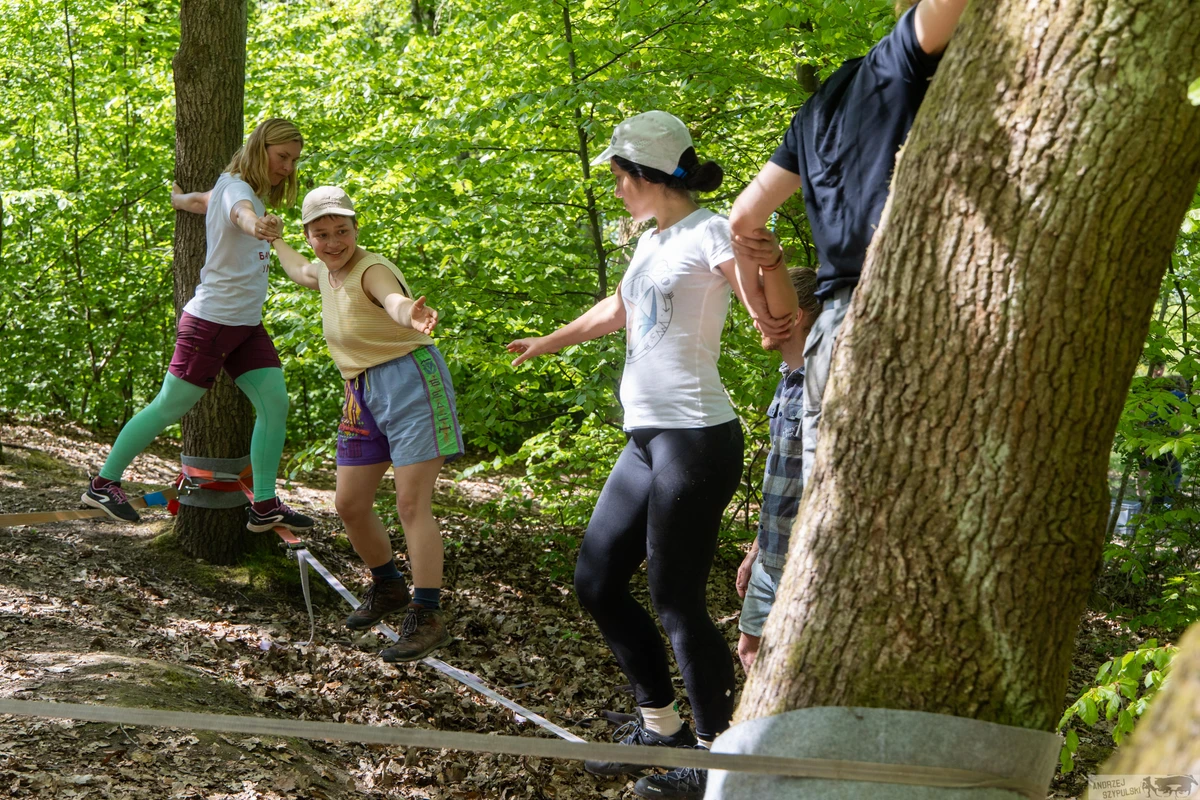
“Nature-Connect-Train the Trainer” 2024
As part of the Erasmus+ project “Outdoors as a Tool”, 15 committed participants from Bulgaria, the Netherlands, Poland, and Germany came together to explore new approaches to experiential education. In an intensive and inspiring learning journey, the second week focused entirely on outdoor learning – directly with us at the Termenei in Fuldatal.
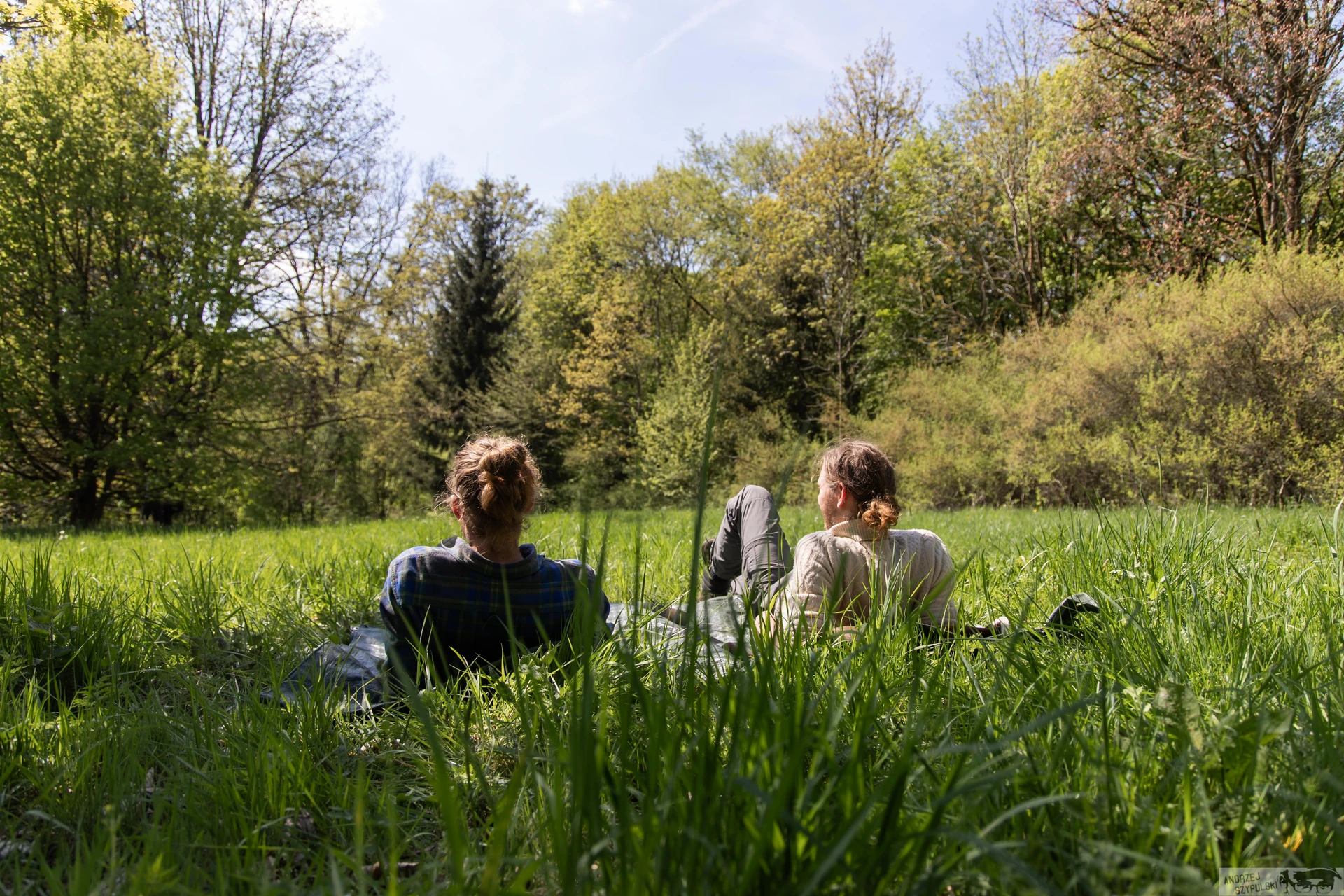
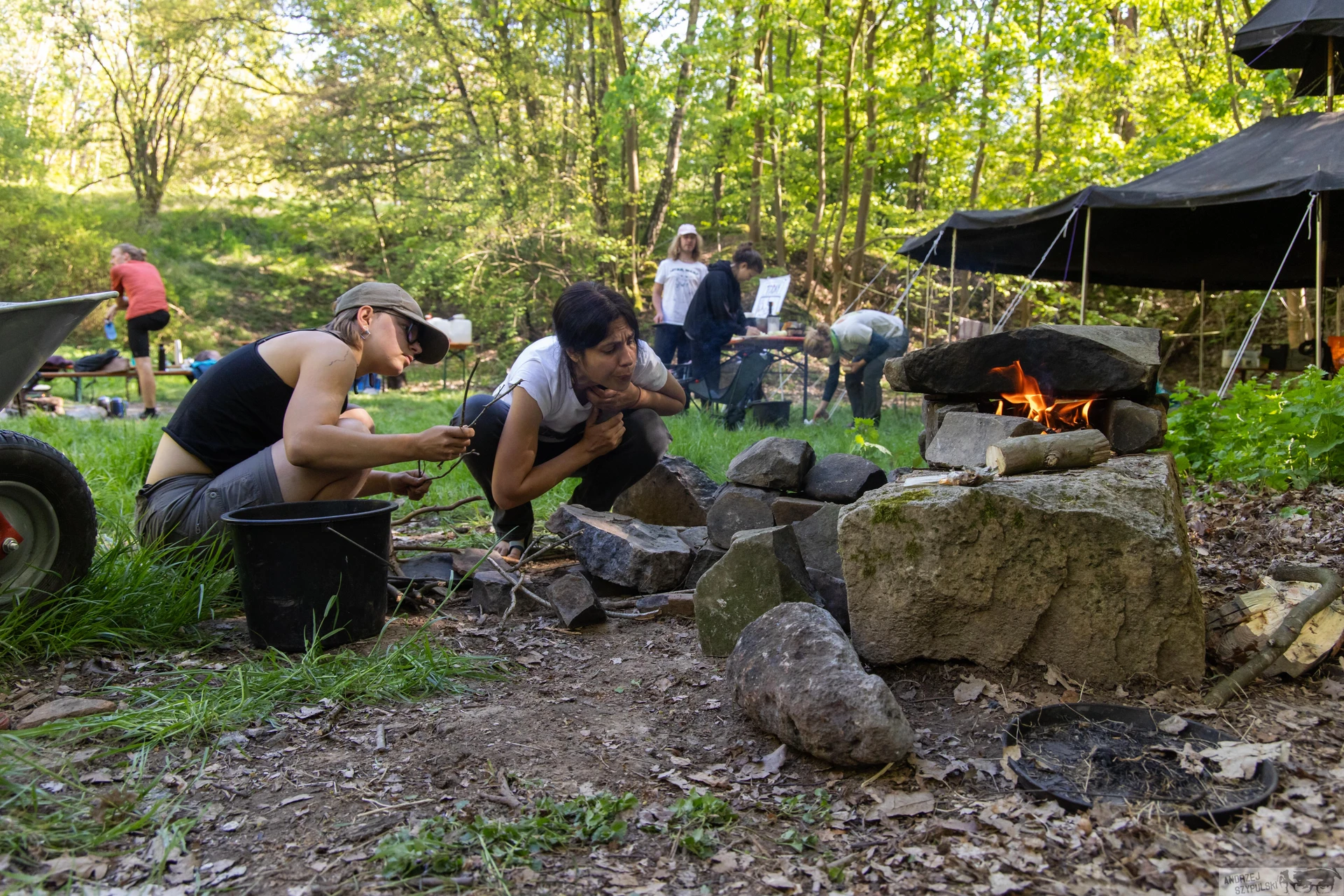
For a whole week, the group lived and learned in the forest. Everyday life happened outdoors: cooking over the fire, sleeping in bivouacs and tents, discussing under trees. This setting provided ideal conditions not only for experiencing nature but also for testing diverse methods of experiential learning.
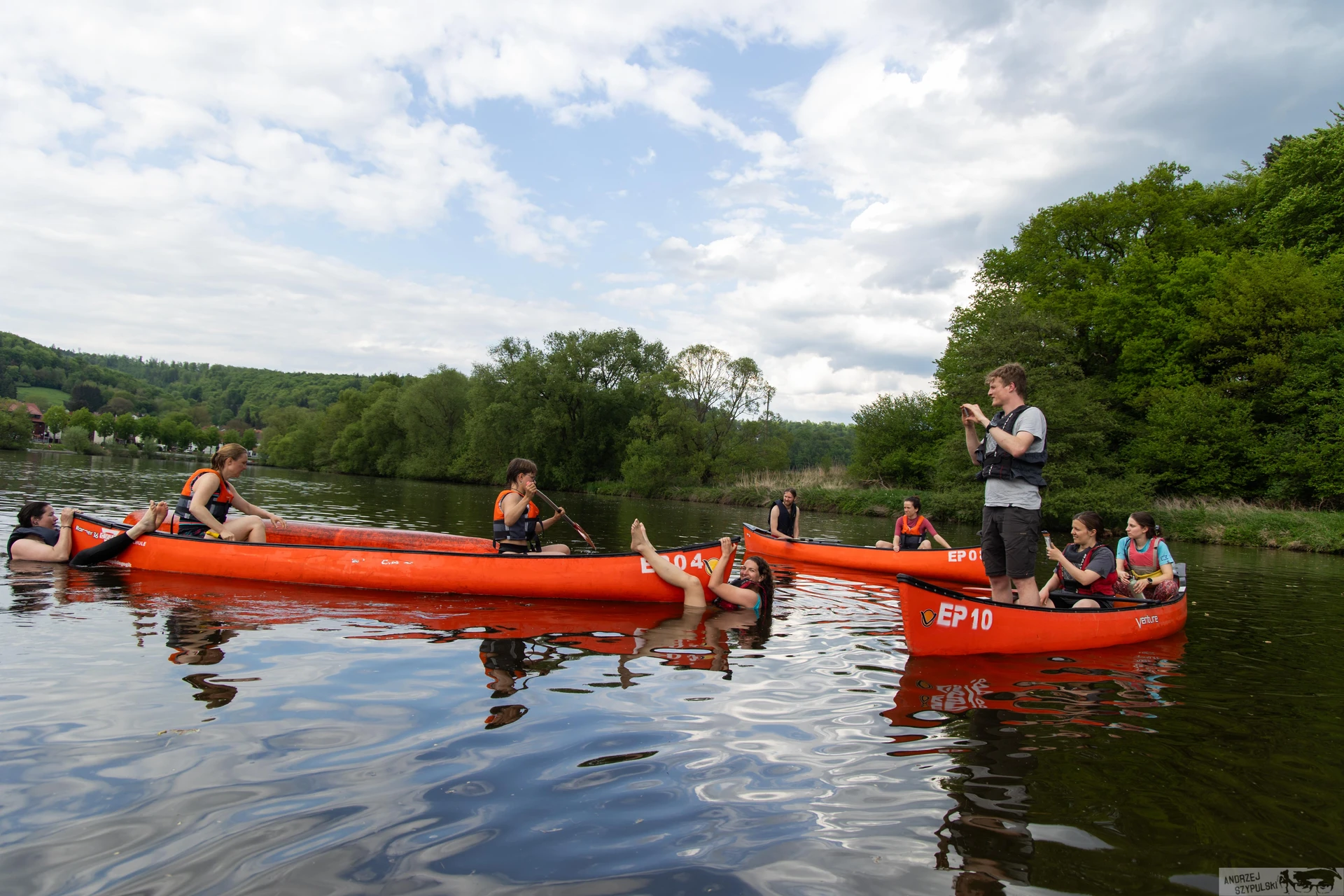
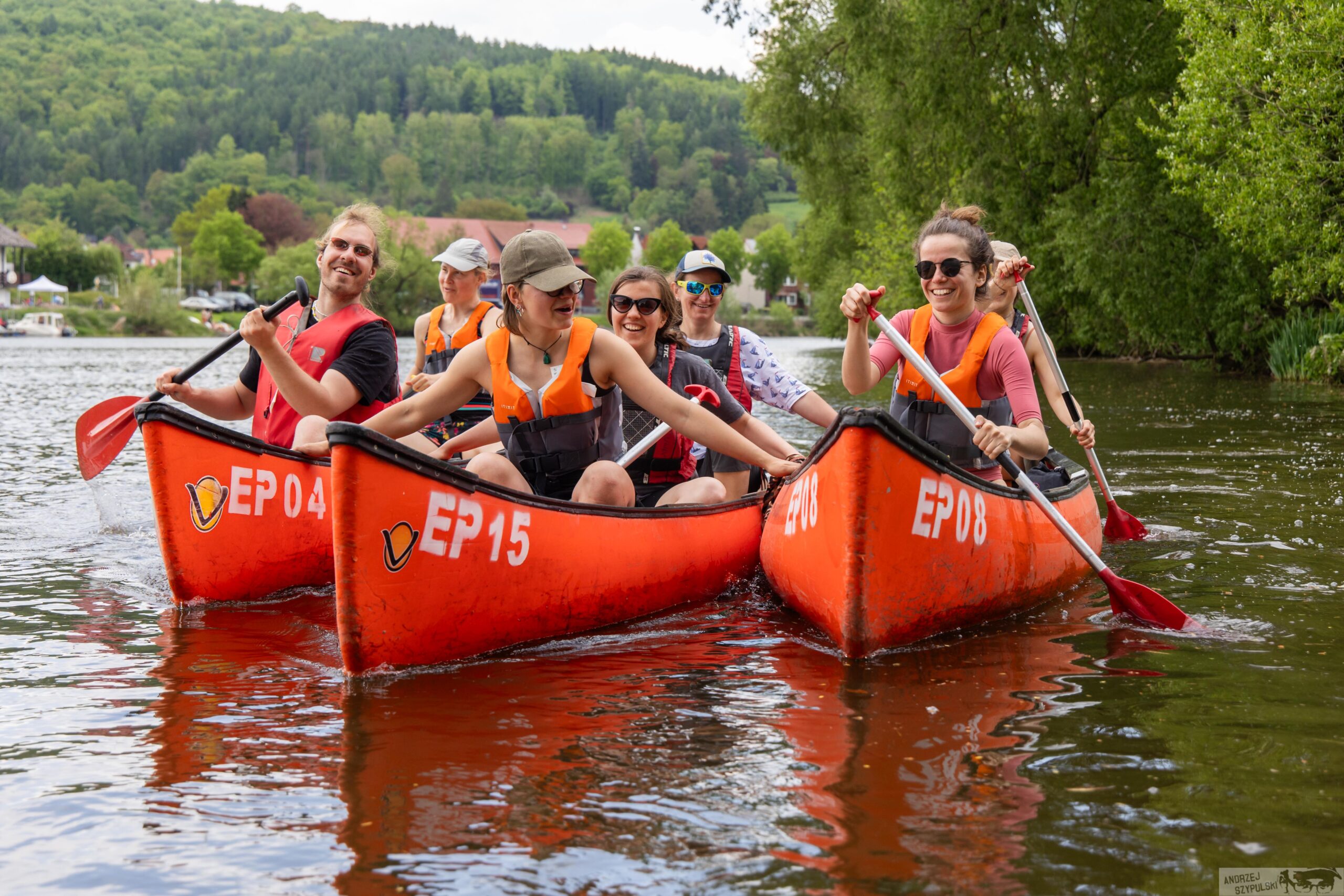
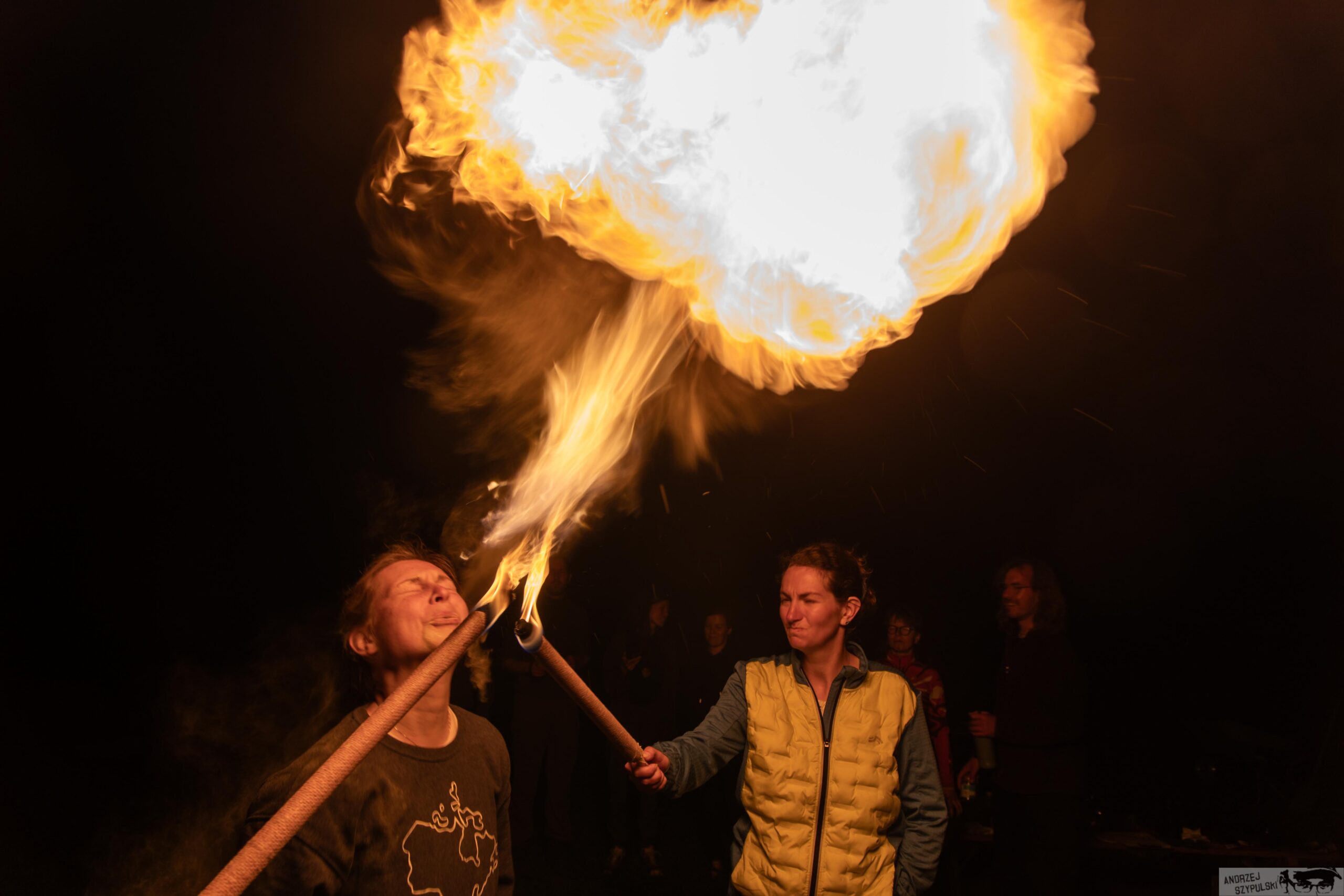
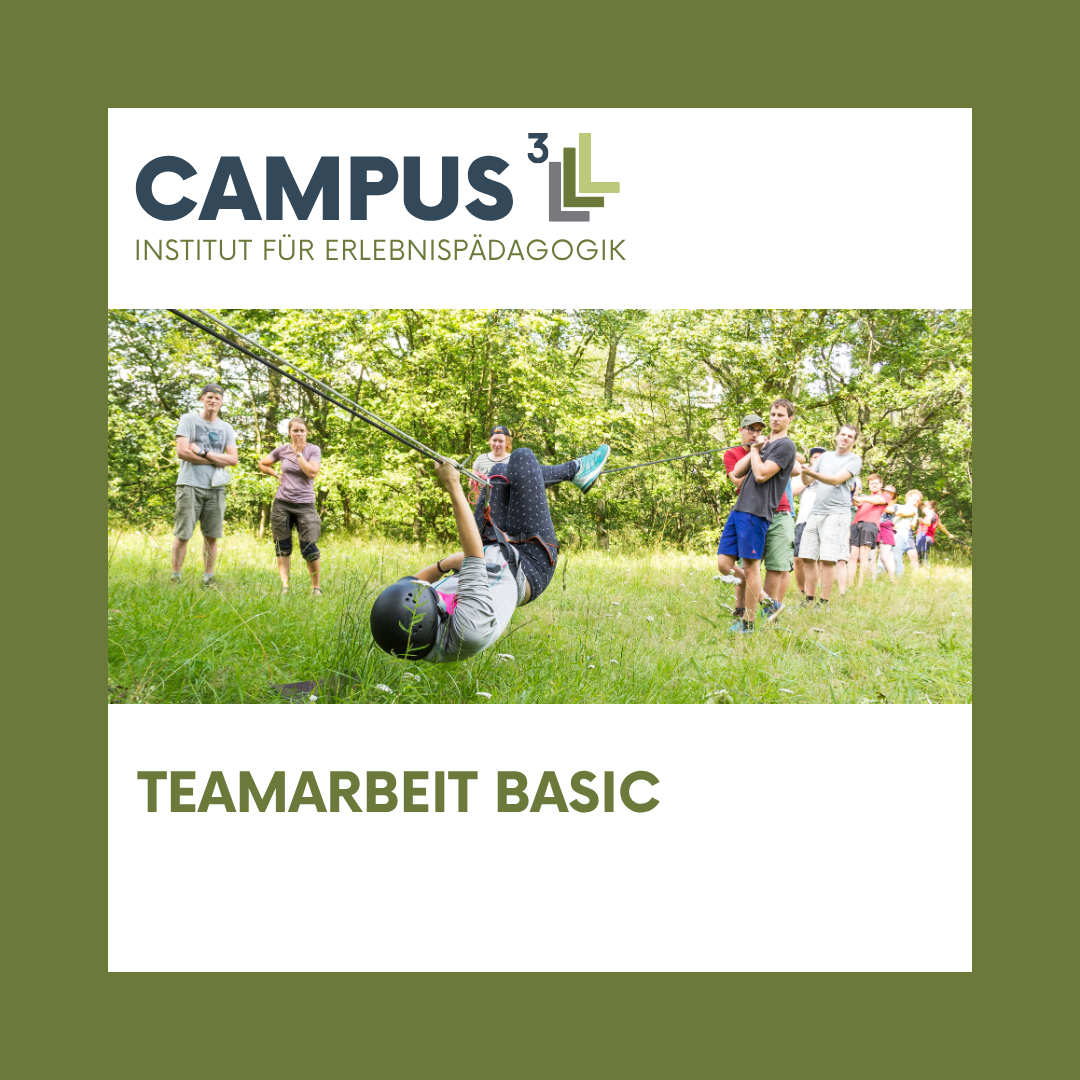
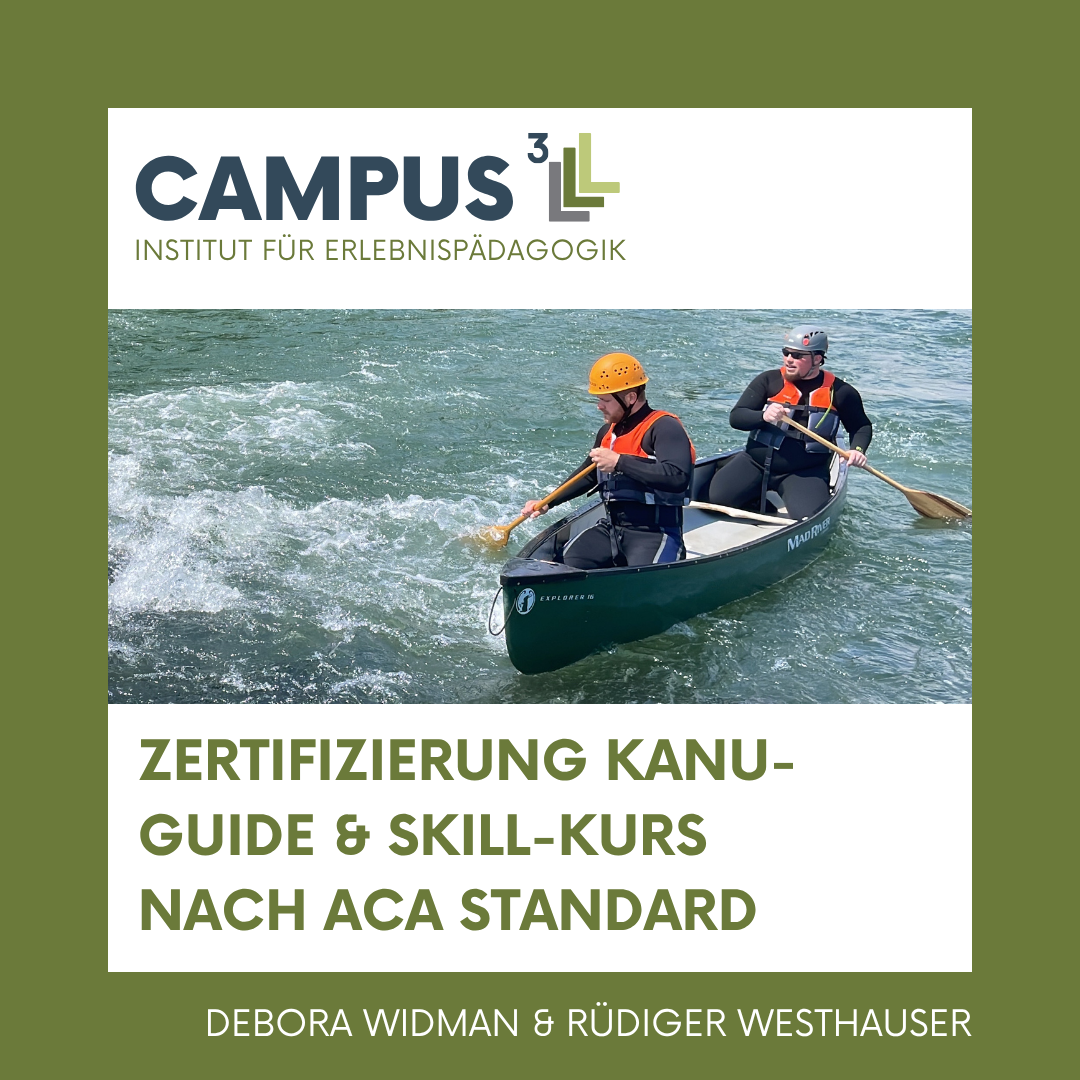
Participants learned practical skills such as canoeing, fire techniques, and rope constructions. Cooperative exercises and group dynamics tasks strengthened cohesion, while theoretical inputs on learning theories and the “Scale of Cooperation” added methodological depth. The alternation between practice and reflection created space for sustainable learning – with head, heart, and hands.
What remains is not only knowledge but also a strong sense of community. The group grew close, networks were created and expanded. For many participants, the motivation to apply what they learned in their own youth work is now greater than ever. Plans are already being made to develop new seminar weeks together with some participants, giving even more professionals in youth work the chance to discover and love the methods of “Outdoor Education.”
The adventure continues. The Institute for Experiential Education regularly publishes seminar offers all across Europe.
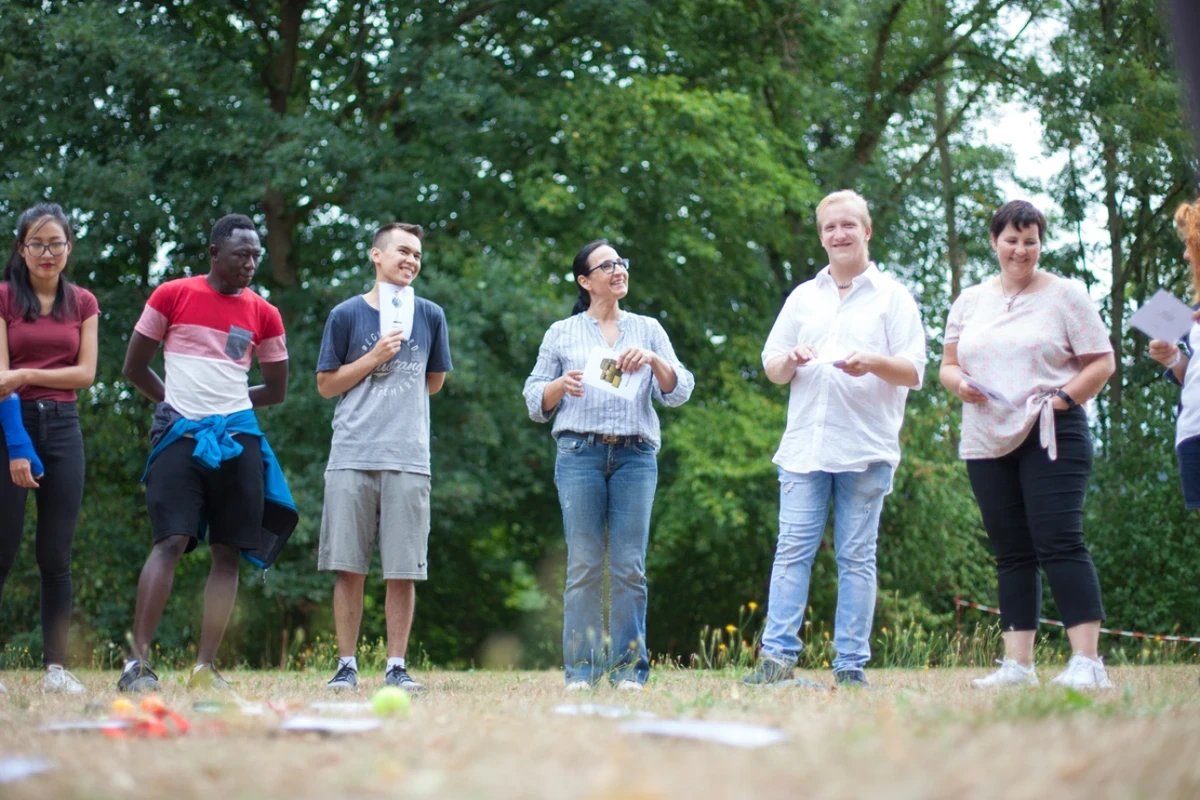
“Outdoors as a Tool” Review of Erasmus and TTT 2025
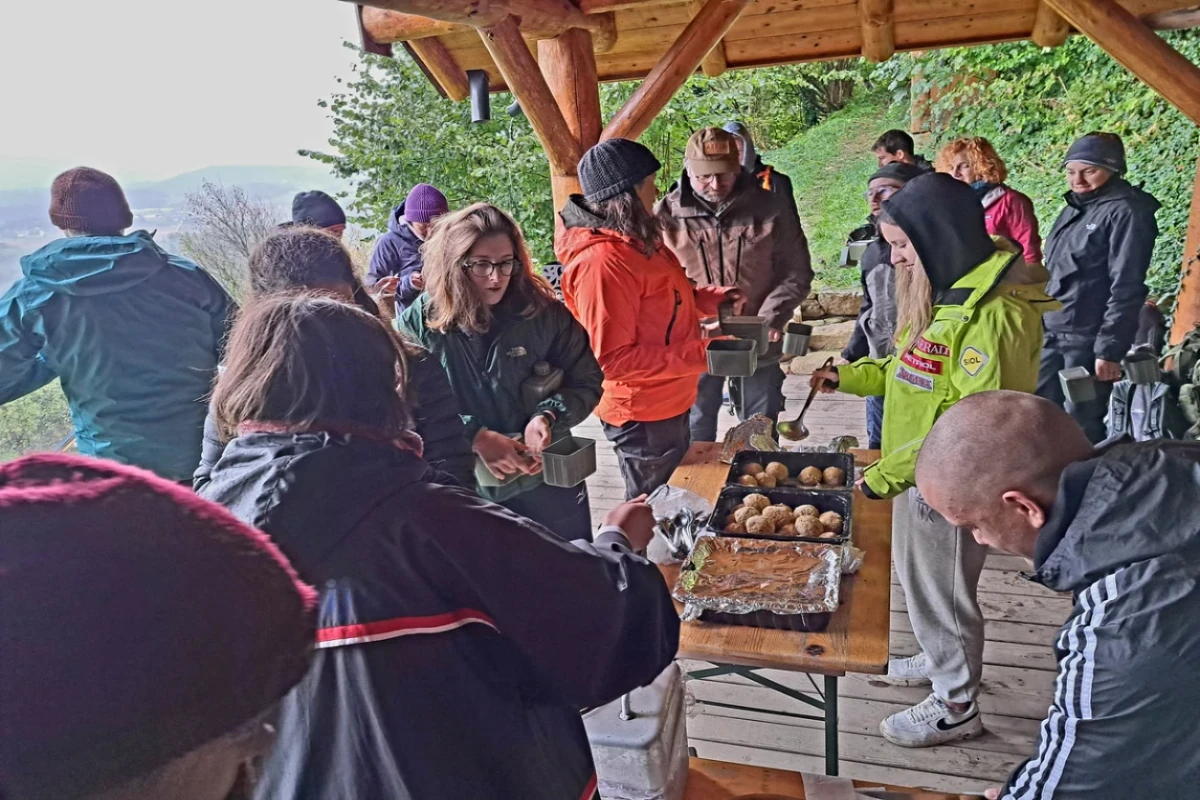
Under this motto, the Institute launched its first international training week within the Erasmus Plus framework. Professionals from five nations (Bulgaria, the Netherlands, Germany, Slovenia, and Italy) came together to further their training in Outdoor Education. In line with the Erasmus
idea, the group benefited especially from the networks and diverse expertise of the partner organizations.
Our local partner was the Judo club “Z‘ Dežele” Sankaku Celje, which, alongside judo sports, has built a “Wilderness and Survival” branch within youth work. This complemented our classic methods of experiential learning (cooperation, trust, and resilience exercises) very well.
Working in an international context is not always straightforward. The Institute has already gathered valuable lessons about communication with partners and participants and has applied them to upcoming seminars. For example, although Slovenia is a southern European country, if October weather doesn’t cooperate, it can still get quite cold.
Participants, however, braved the modest weather with great enthusiasm for learning and joy in getting to know each other. The joint evaluation showed that the week was very positively received both in terms of content and organization, and will bear fruit in the European experiential education landscape.
And that is exactly what Erasmus Plus is about: bringing people and organizations together to learn jointly and develop further.
Outdoors in Bulgaria TTT 2025
As part of the Erasmus+ program, the seven-day training “Train the Trainer – Outdoors in Bulgaria” took place in the village of Ochindol, Bulgaria. Cooperation partners were the Institute for Experiential Education in Kassel and the Center for Experiential Learning Bulgaria. The goal was to use experiential methods to expand the competences of trainers and provide impulses for international collaboration.
Contents and Focus
The week was characterized by a broad program combining physical, social, and cognitive dimensions:
Cooperative exercises to strengthen teamwork, communication, and trust
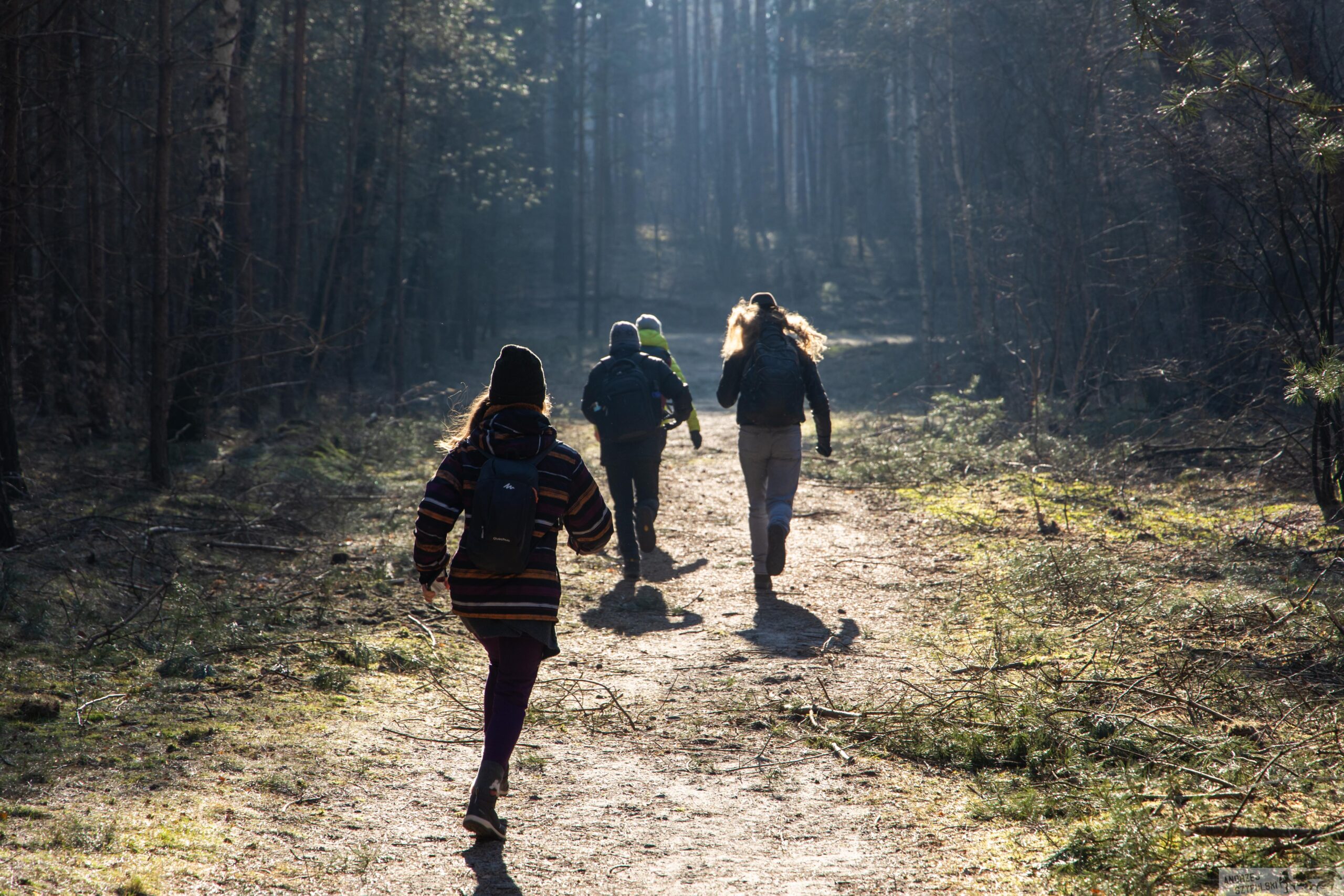
Hikes in Bulgarian nature with a focus on mindfulness and risk management
Workshops on ecology under the guiding principle reduce – reuse – recycle
Practical experience of hard and soft skills of teamwork
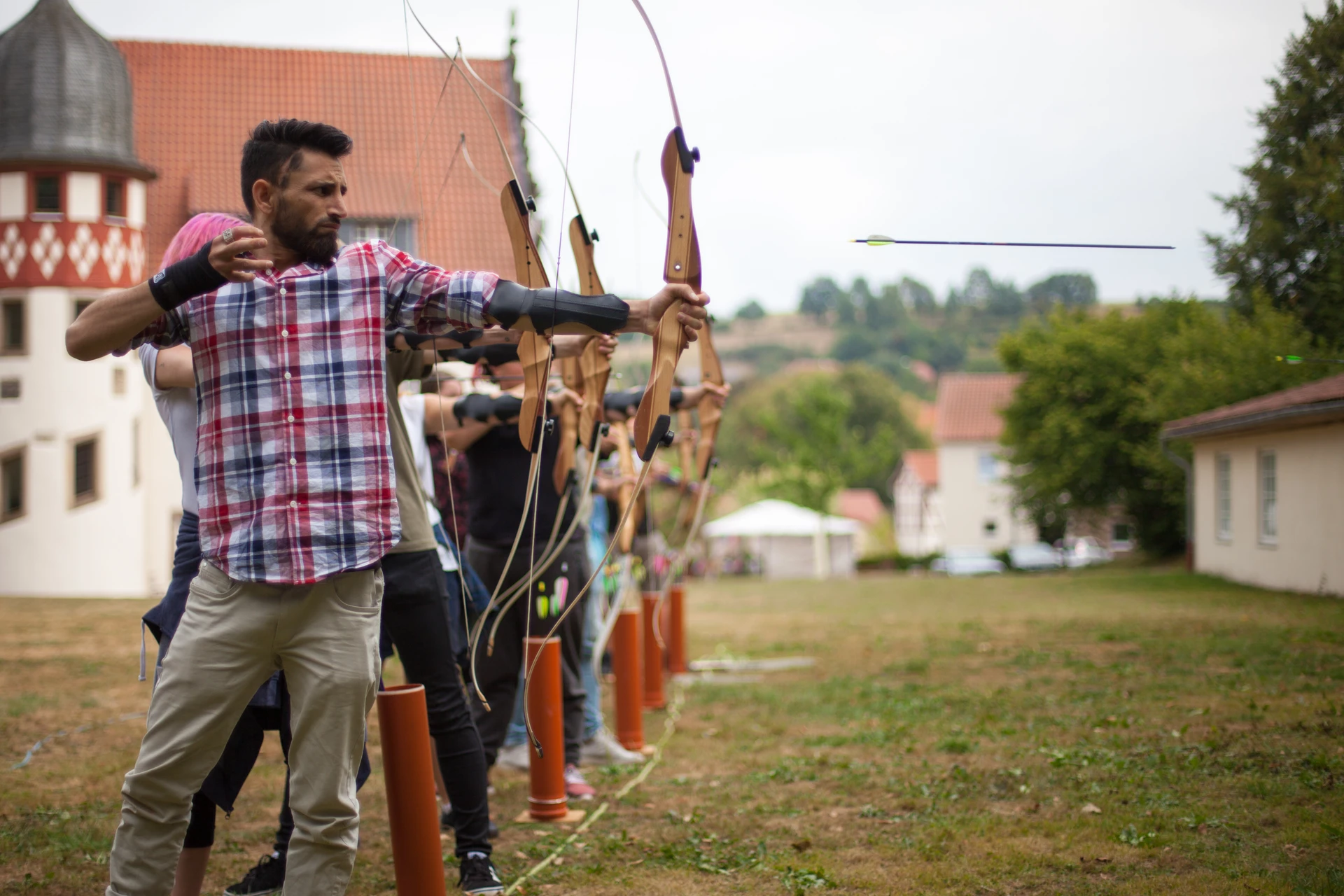
Archery as an exercise in concentration and body awareness
Awareness in road traffic as an element of social responsibility
Cultural encounters, especially through Bulgarian cuisine and traditions
Participants came from different countries and cultures, leading to a rich exchange. Alongside moments of joy and shared experiences, there were also challenges such as summer heat and interpersonal tensions. These contrasts made the week especially instructive, showing that sustainable learning arises from both positive and difficult situations.
Meeting people from various cultural backgrounds opened up new perspectives. Some participants described the experience as personally formative:
Strengthening their stance on diversity and against discrimination
Increased sensitivity to the importance of openness and mutual respect
Learning from individual stories, vulnerabilities, and strengths of others
Joint search for common ground despite differences
TTT Outdoors in Bulgaria demonstrated that international educational work goes far beyond method training. It is shaped by people, their attitudes, and their willingness to give and to receive. The week left participants with valuable impulses for their role as trainers and highlighted the importance of education that connects nature experiences, culture, and personal development.
Practicals for (interested) participants
In this section we want to provide the essentials for
Participant Fee
In most of our programmes there is a small participant fee. The main participant costs will be funded by the EU via Erasmus.
If you’re a participant with viewer opportunities (people with fewer opportunities may face barriers such as disabilities, health issues, limited access to education, cultural or social challenges, economic hardship, discrimination, or living in remote and disadvantaged areas, all of which can make participation more difficult), there will be a chance in the registration form to let us know. We won’t charge a participant fee, if you’re are a participant with viewer opportunities.
Check out the costs that are coming along with a programme by downloading the infoletter. There you’ll find specific info for the course.
Accomodation
We believe that learning is only possible when basic needs are met. That is why we take care of accommodation and food throughout the programme. What this looks like varies from course to course—sometimes we stay in seminar houses with catering services, while in other programmes we sleep in simple bivouacs, cook our own meals over the fire, and live close to nature.
What we can guarantee is that you will always have a place to sleep and regular meals. The specific arrangements are described in the detailed info packs for each course.
During the application process, we will ask for your food preferences and dietary needs to make sure you are provided with suitable meals, and that anything you cannot or should not eat is left out.
What to bring?
We offer outdoor education courses, which means it is always helpful to be prepared for different conditions in nature and to bring suitable clothing. The season plays an important role, so please pay attention to the weather when preparing. In addition, basic items such as something to write or take notes with are useful.
All further details are provided in the specific info packs for each programme. Some courses also require items such as a sleeping bag or sleeping mat. These requirements depend on the programme, so please check the details carefully.
Further Recommendations for Your Professional Development
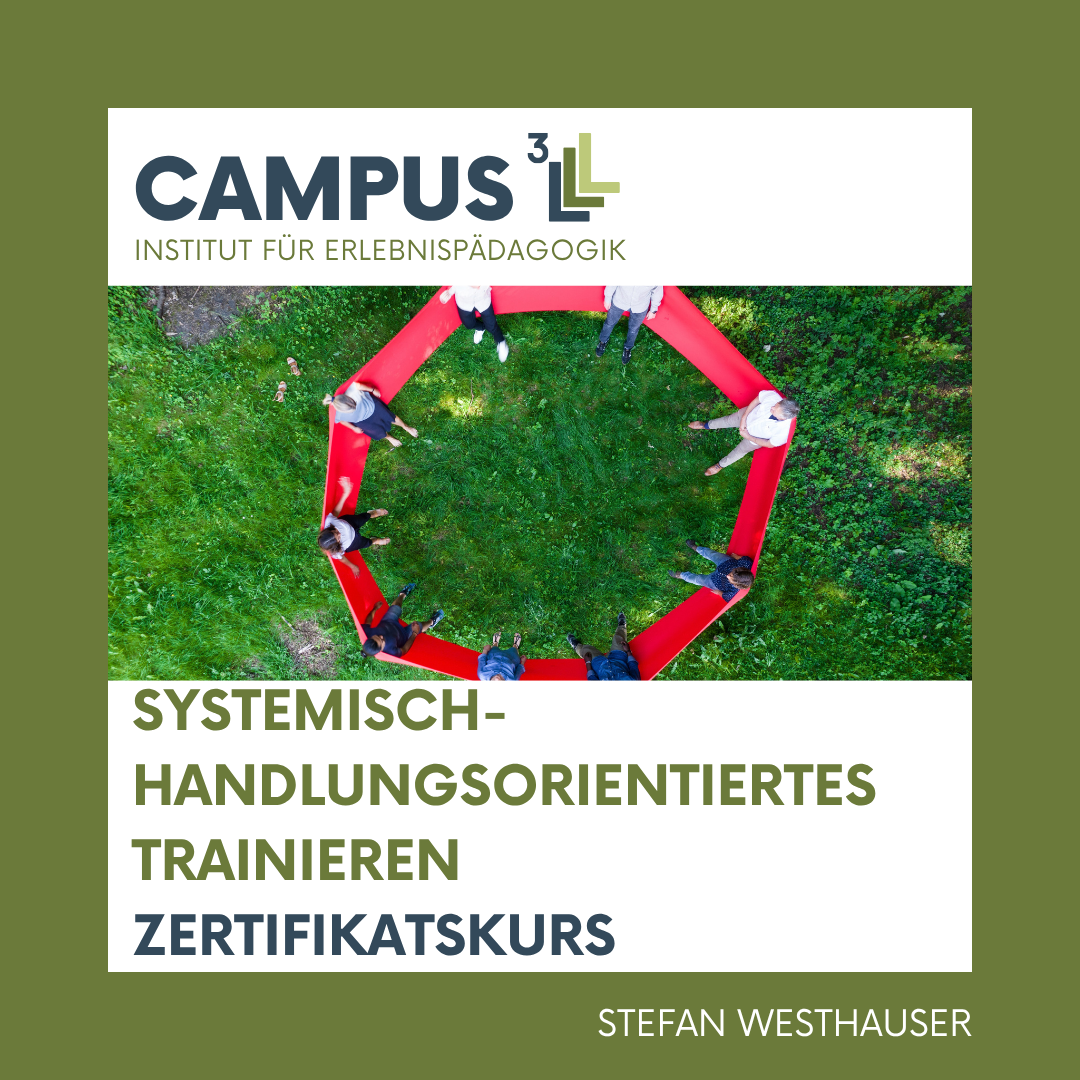

Hiking in Spain – Erasmus Train the Trainer
Participant fee of 80 €, the rest is covered by Erasmus Plus
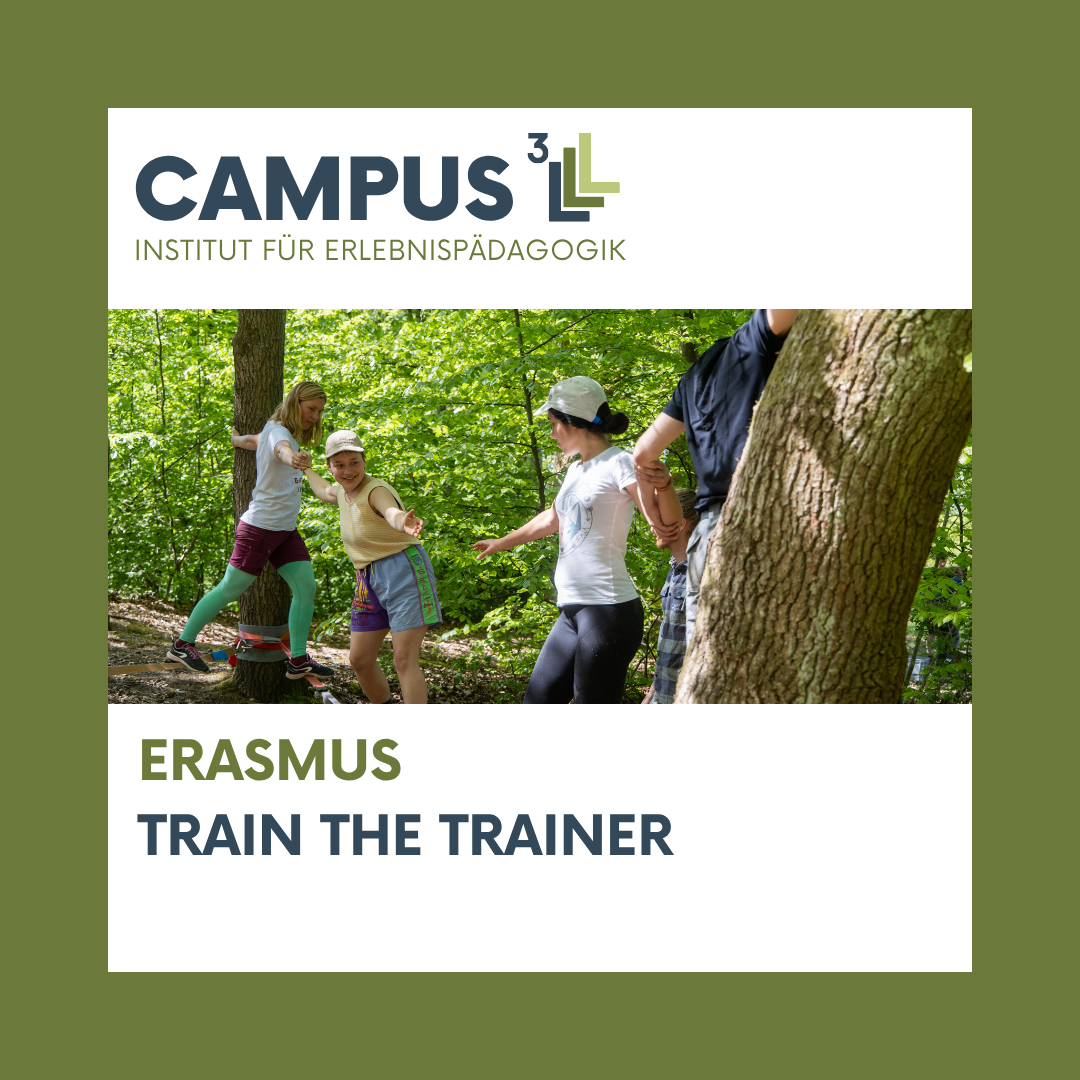
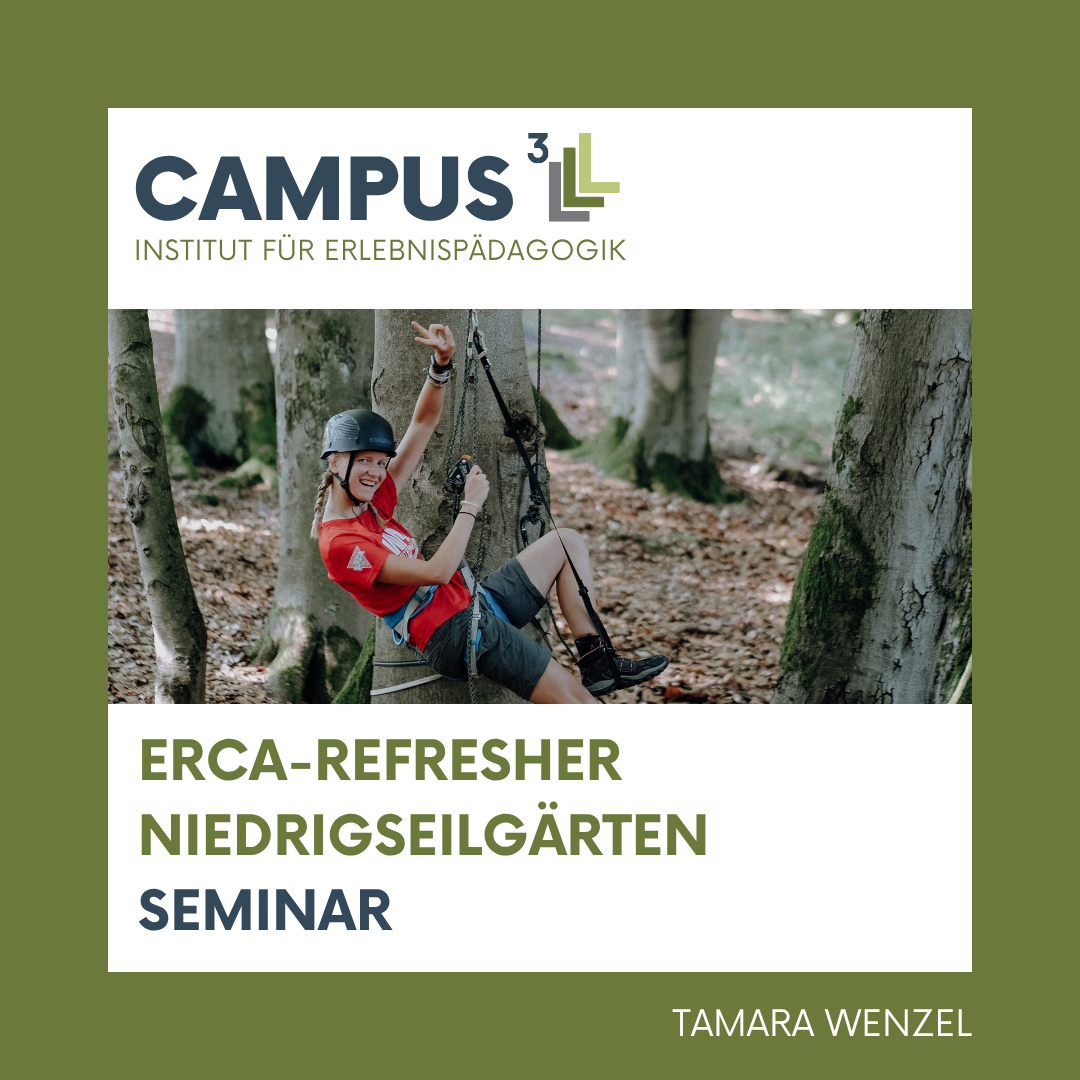
Campus 3L
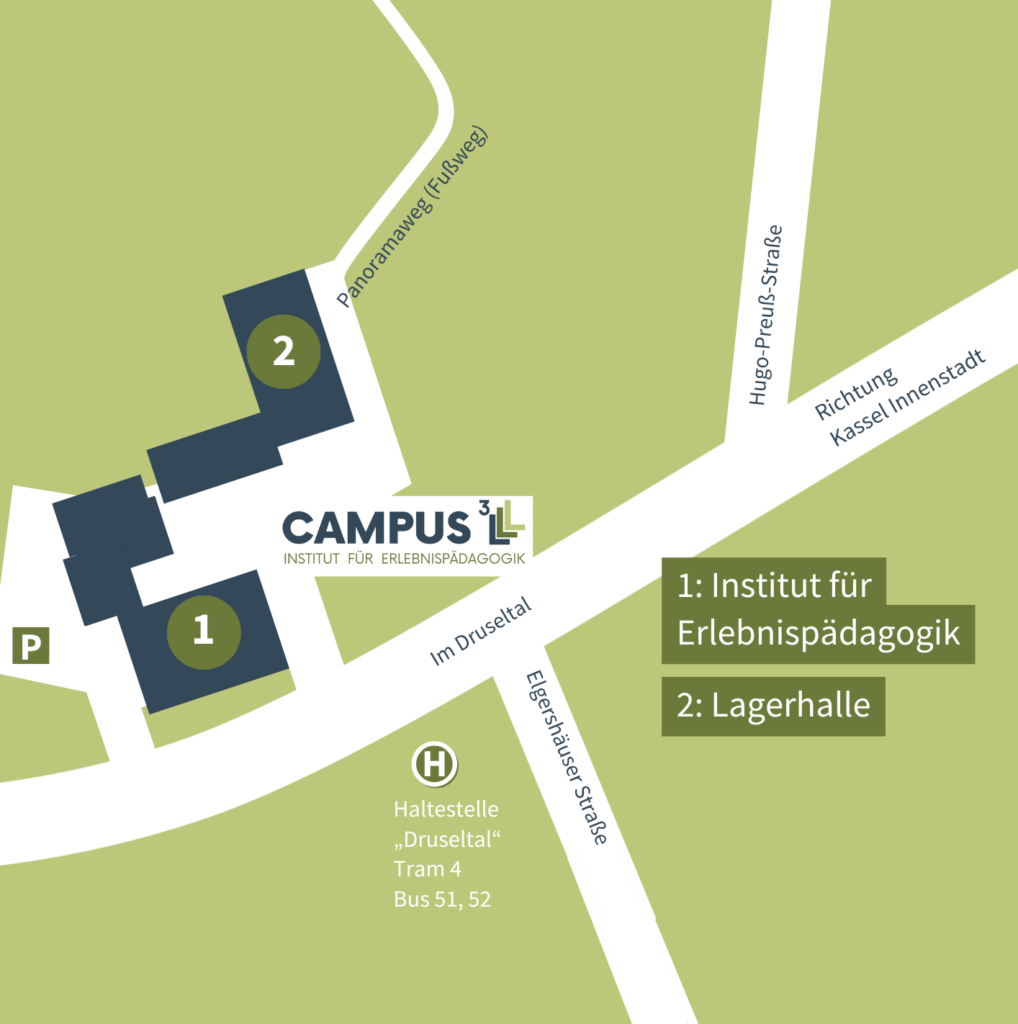
The Institute for Experiential Education is located only about 15 minutes by public transport from Kassel Wilhelmshöhe train station. (Im Druseltal 8 | 34131 Kassel). The storage room/facility is also located directly on the premises. However, seminars and training sessions do not usually take place here.
Arrival by train: From Kassel Wilhelmshöhe, you can quickly reach us by tram line 4 (Druseltal) or bus 52 (Martinhagen). The stop is directly opposite.
Arrival by car: Enter the following address into your navigation device: Im Drusetal 8, 34131 Kassel
From the direction of Frankfurt (A7): Leave the A7 at the Kassel-Bad Wilhelmshöhe exit and follow the signs toward Bad Wilhelmshöhe. From there, continue toward Druseltal in the Bad Wilhelmshöhe district.
From the direction of Dortmund (A44): Take the Kassel-Wilhelmshöhe exit and likewise follow the signs toward Bad Wilhelmshöhe / Druseltal.
Parking is available nearby on-site.